
Gilmore Girls Exposes Gendered TV Preferences
Millennial Women's Cult Devotion Contrasts with Male Reluctance
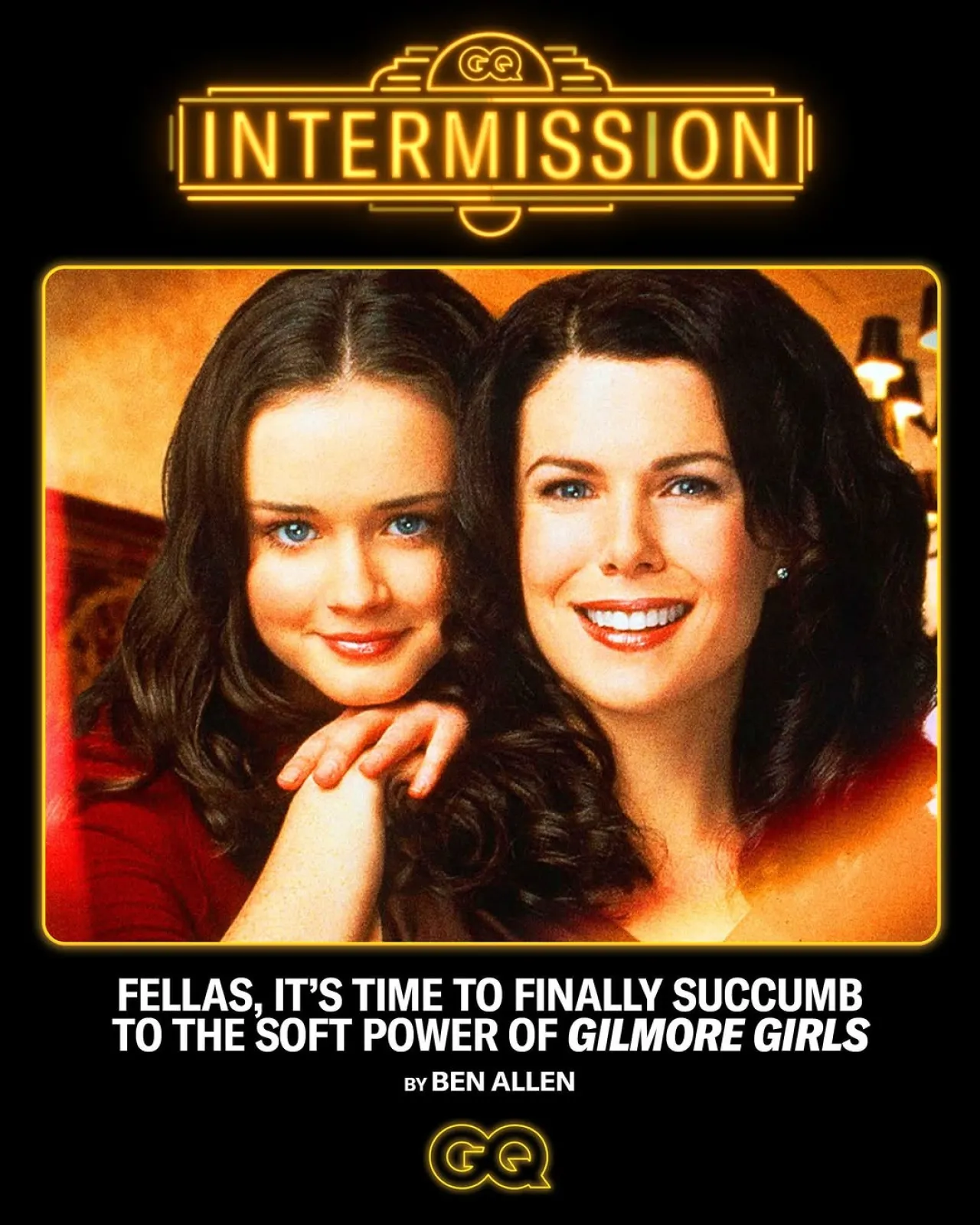
The television series Gilmore Girls has emerged as a surprising cultural battleground, underscoring a deep gender divide in entertainment preferences. While the show enjoys fervent, cult
- like admiration among millennial women, it is notably rare to find straight men who openly acknowledge watching it, reinforcing long-held stereotypes about gendered media consumption.
- based assumptions. For instance, comedies like "I Think You Should Leave" with Tim Robinson or HBO's "Entourage" often fail to resonate across gender lines, with many women dismissing them as unappealing or offensive.
- Its rapid
- fire, pop-culture-laden dialogue that creates a unique rhythmic appeal.
- The relatable dynamic between the two lead characters, resonating with themes of family and friendship.
- A nostalgic setting that offers comfort viewing for millennial audiences.
This phenomenon extends beyond Gilmore Girls, illustrating how certain programs inadvertently validate gender
The cultural divide is particularly stark for Gilmore Girls, which follows the lives of a mother and daughter in a quaint Connecticut town. For its dedicated female fanbase, the series is akin to "crystal meth," with viewers capable of reciting dialogue verbatim from its numerous seasons.
Understanding the Appeal of Gilmore Girls
Until recently, the intense devotion to Gilmore Girls puzzled many outside its core audience. The show's focus on nuanced relationships and everyday drama seemed to appeal primarily to women, creating a viewing gap. However, some cultural observers are now beginning to appreciate its universal themes.
Key factors behind the Gilmore Girls phenomenon include:
This shift in perspective suggests that the gender divide in TV viewing may be more about perception than content. As one culture editor noted after a personal viewing journey, the initial reluctance to engage with shows traditionally labeled as "feminine" can give way to understanding and enjoyment.
Broader Implications for Media Consumption
The case of Gilmore Girls raises questions about how entertainment is marketed and received along gender lines. The industry often categorizes content based on assumed audience demographics, which can perpetuate viewing silos.
Moving forward, breaking down these TV viewing stereotypes could lead to a more inclusive media landscape. Recognizing the subjective nature of humor and drama might help bridge the gap between different viewer groups.











Comments
Write a Comment